
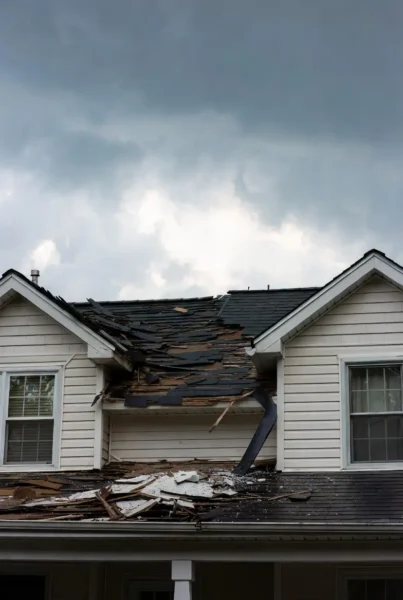
Severe weather can strike at any moment, leaving homeowners facing unexpected damage to their property. From heavy rains and windstorms to hail and lightning, the effects of extreme weather can be costly and stressful. Understanding the types of storm damage, how to prevent it, and knowing how to respond quickly can save you thousands in repair costs and prevent further complications.
Michigan’s weather is especially unpredictable. Homes here face unique challenges like winter ice storms, spring tornadoes, summer hail, and occasional flash flooding. Even minor weather events can leave lasting damage if not addressed promptly. By preparing your home and responding quickly after a storm, you can protect your property and your family’s safety.
Common Types of Storm Damage
1. Roof Damage
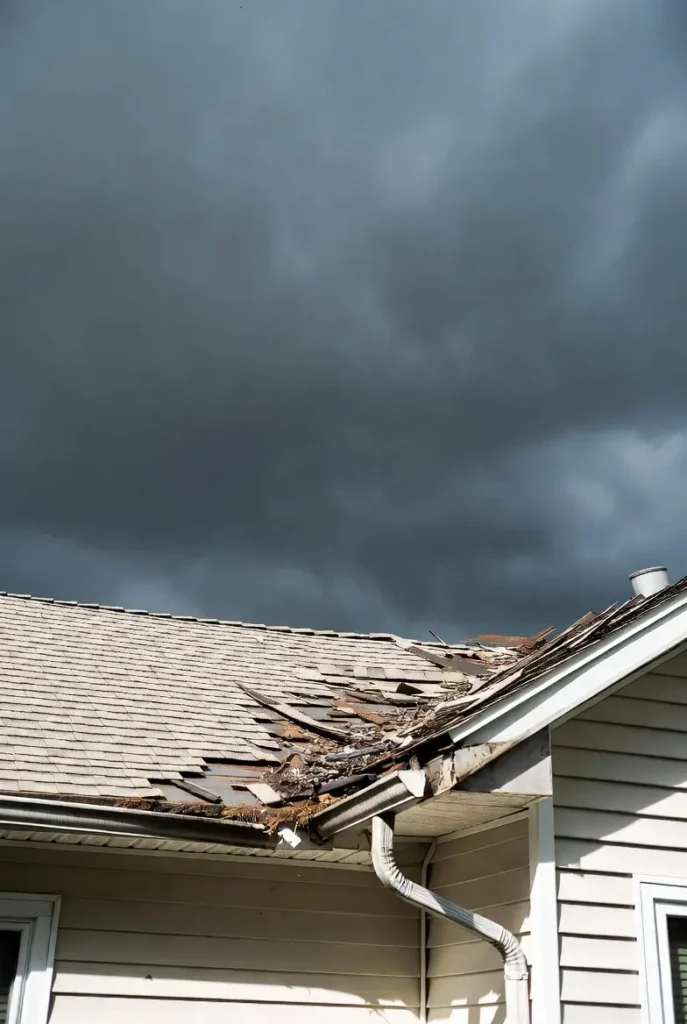
One of the most vulnerable parts of your home during a storm is the roof. High winds, falling branches, and hail can crack shingles, loosen tiles, or even puncture the roofing material. Leaks caused by roof damage can lead to water intrusion, mold growth, and structural weakening over time.
Roof damage often goes unnoticed until water starts dripping inside your home or shingles are visibly missing. Even small punctures can allow water to seep into insulation, causing rot and weakening the structure over months or years. In Michigan, snow accumulation in winter combined with spring thaws can exacerbate hidden roof damage, making regular inspections essential.
2. Flooding and Water Damage
Heavy rainfall often leads to flooding, particularly in low-lying areas or homes with poor drainage systems. Water can seep into basements, crawlspaces, and main living areas, damaging flooring, drywall, and personal belongings. Swift water extraction and repair are critical to prevent long-term issues like mold or foundational problems.
Even small amounts of water left untreated can create mold and mildew, which not only compromise the integrity of your home but also pose health risks. Installing sump pumps, French drains, and proper gutter systems can mitigate flooding risk, but no system is completely stormproof.
3. Wind Damage
Strong winds can cause siding to peel away, windows to shatter, and trees or debris to fall onto your property. Even if the damage seems minor at first, compromised windows or siding can expose your home to moisture and pests. Gusts from severe storms or tornadoes can cause loose objects in your yard to become projectiles, damaging your home or vehicles.
Regular maintenance like securing outdoor furniture, trimming trees, and inspecting siding can minimize wind damage. Consider installing storm shutters for added protection, especially in areas prone to seasonal high winds.
4. Hail Damage
Hailstorms are notorious for damaging roofs, gutters, vehicles, and outdoor structures. Depending on the size and force, hail can create dents, cracks, or holes in shingles and siding, leading to leaks and further deterioration. Hail damage isn’t always visible immediately—it can appear as small bruises on shingles or tiny cracks in siding that worsen over time.
Insurance claims for hail damage should be filed promptly, even if the damage seems minor. Professional inspections can identify issues that homeowners might miss and prevent small problems from turning into costly repairs.
5. Lightning and Electrical Damage
Lightning strikes can result in fires, electrical surges, and damaged appliances. Homes without proper grounding or surge protection are particularly at risk. Even indirect strikes can create issues with your wiring or electronics. Protect your home by installing surge protectors, lightning rods, and ensuring your home’s electrical system is up to code.
Steps to Take After a Storm
If your home has suffered damage during a storm, acting quickly is essential. Here are some steps to follow:
- Ensure Safety First: Before assessing any damage, make sure your family is safe and avoid flooded areas or downed power lines. Never enter a building that has structural instability.
- Document the Damage: Take photos and videos of affected areas. This documentation is crucial for insurance claims and can expedite the repair process.
- Contact Your Insurance Company: Notify your insurance provider as soon as possible to start the claims process. Keep detailed notes on all conversations and provide the evidence you collected.
- Prevent Further Damage: If safe, take temporary measures such as tarping a damaged roof, boarding up broken windows, or moving valuables to a dry area.
- Call a Professional: Expert inspection and repairs are often required to fully restore your home. Professionals can spot structural damage that may not be visible to the untrained eye and can perform repairs safely.
Storm Damage Repair Services Available
Don’t wait until minor damage becomes a major problem. Call us now to schedule a professional inspection and repair.
Call 313-925-3442Preventing Storm Damage
While you can’t control the weather, you can take steps to protect your home:
- Roof Maintenance: Regular inspections and prompt repairs reduce vulnerability to wind and hail. Replace worn shingles or damaged tiles before the next storm season.
- Gutter Cleaning: Keep gutters and downspouts clear to prevent water backup and flooding. Proper drainage directs water away from your foundation, protecting your basement and landscaping.
- Tree Trimming: Remove weak or dead branches that could fall during storms. Large trees close to your home are particularly risky during high winds.
- Install Storm Windows: Reinforced windows can minimize breakage and water intrusion. Consider adding storm doors for extra protection.
- Emergency Preparedness: Stock up on essential supplies, backup power options, and know evacuation routes for your area. Preparation reduces risk to both property and personal safety.
Why Timely Repairs Matter
Ignoring storm damage, even if it seems minor, can lead to larger issues. Water leaks can compromise insulation, create mold growth, and even damage electrical systems. Wind or roof damage left unrepaired can lead to structural instability. Prompt action not only protects your home but also preserves its value and reduces insurance headaches.
For instance, a small roof puncture can eventually lead to major water infiltration, damaging walls, ceilings, and personal property. Addressing the problem immediately with professional help keeps costs low and avoids prolonged inconvenience.
Seasonal Weather Considerations for Michigan
Michigan homeowners face unique challenges depending on the time of year:
- Winter: Snow and ice accumulation can stress roofs, gutters, and tree limbs. Ice dams may cause water to seep into your attic or walls.
- Spring: Thawing snow and heavy rains can lead to flash flooding. Strong winds and tornadoes are more common in this season.
- Summer: Hail, thunderstorms, and occasional high winds pose risks to roofs, windows, and outdoor structures.
- Fall: Falling leaves can clog gutters, and early snowstorms may arrive unexpectedly, creating additional weight and moisture risks.
Preparing seasonally can prevent much of the damage before storms even hit.
FAQ
A: Inspect your property as soon as it is safe to do so. Prioritize areas like the roof, windows, and any outdoor structures. Document everything with photos or video for insurance purposes.
A: Yes. Even minor damage can worsen over time, so documenting and filing a claim early can save you money in the long run. Small leaks or dents may seem harmless but can develop into significant issues.
A: Remove standing water immediately, dry affected areas, and use dehumidifiers. Hiring a professional ensures complete remediation and prevents health hazards.
A: Place buckets to catch water and cover exposed areas with a tarp temporarily. Contact a licensed professional immediately to repair the damage and prevent further issues.
A: Often, yes. Insurance companies typically recommend temporary measures to prevent further damage. Always document your actions and keep receipts for any materials used.
Get Professional Storm Damage Assistance
We provide fast, reliable repair services for all types of storm damage. Protect your home today.
Call 313-925-3442
1 thought on “Understanding Storm Damage and How Weather Impacts Your Home”
Comments are closed.