
If you’re trying to figure out how much life your roof has left, you’re not alone. Roof questions tend to escalate quickly because the consequences feel expensive and permanent, and the information people receive is often framed with urgency.
Let’s slow this down. Roof lifespan is not a countdown clock that suddenly hits zero. Roofs age gradually, and most decisions come down to condition, not a single number. This guide is meant to help you understand what aging actually looks like, when repairs make sense, and when replacement becomes reasonable—without pressure or panic.
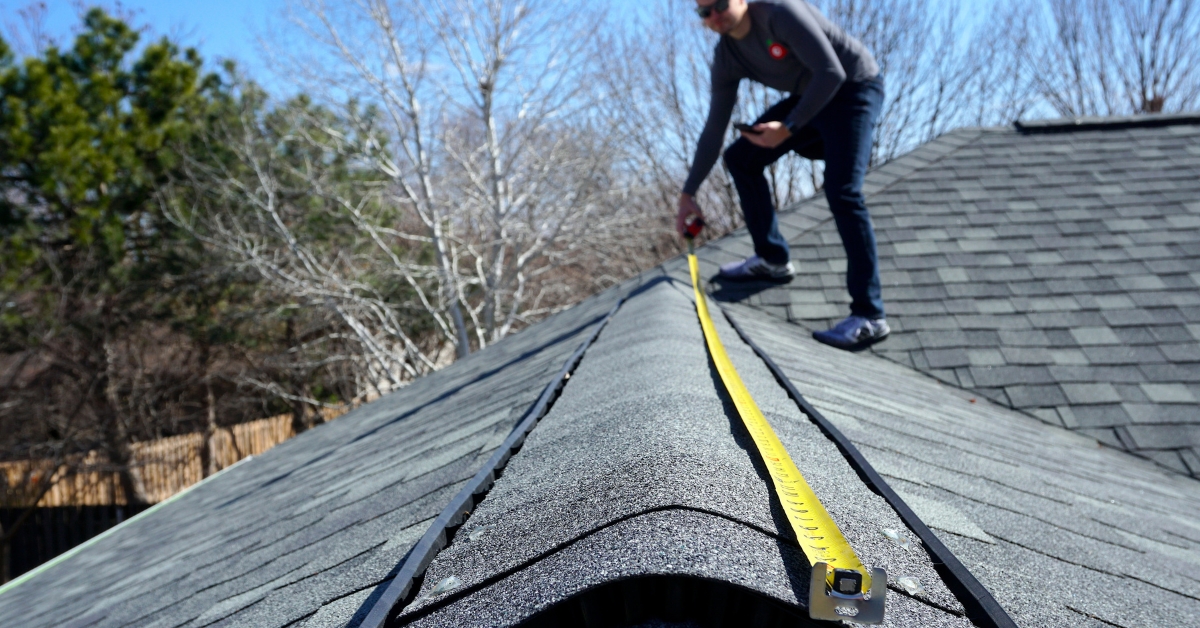
Why Roof Lifespan Is So Confusing
One of the biggest sources of confusion is the word “lifespan” itself. It sounds precise, but in practice, it isn’t. Roofs are exposed systems. Sun, heat, ventilation, installation quality, attic moisture, and weather patterns all influence how they age.
That’s why two roofs installed in the same year can be in very different shape later on. When you hear a number like 20 or 30 years, it’s better to think of it as a general expectation, not a rule.
Another reason this topic gets muddled is that age, appearance, and risk are often treated as the same thing. They are not. A roof can look worn but still function. A roof can look fine from the ground while hiding problems underneath. And a roof can be old without being unsafe.
What often gets skipped is the middle ground: roofs that are aging normally, roofs that need limited repairs, and roofs that are nearing the end of their service life but are not actively failing.
What Roof Lifespan Actually Means
A practical way to think about roof lifespan is this: how long the roof can reliably shed water under normal conditions before repairs become frequent or no longer cost-effective.
Two important realities follow from that definition. First, roofs do not “expire.” They lose margin over time. Second, replacement decisions are usually driven by economics and risk tolerance, not by age alone.
Age tells you what might be likely. Condition tells you what is true right now.
Monitor, Repair, or Replace: The Three Realistic States
Most roofs fall into one of three categories at any given time.
Monitoring an Aging but Stable Roof
Many roofs that worry homeowners are actually stable and just showing their age. This can include gradual granule loss, minor edge curling, cosmetic discoloration, or surface wear that has not changed much year to year.
Monitoring does not mean ignoring. It means keeping an eye on changes, addressing real defects when they appear, and planning financially without rushing into replacement.
Repairing Isolated Problems
Repairs make sense when problems are specific and contained. Common examples include a small number of missing or damaged shingles, a flashing issue at a chimney or wall, cracked pipe boots, or nail pops in limited areas.
A good repair restores water-shedding performance. It does not make the roof new, but it can buy meaningful time when the surrounding materials are still sound.
Replacing When Wear Becomes Systemic
Replacement becomes reasonable when issues are widespread or recurring. This often includes leaks appearing in multiple locations, shingles becoming brittle across large sections, repeated repairs that no longer hold, or structural or ventilation problems that repairs cannot correct.
A roof can be old and still be monitored. A roof can be younger and already be a replacement candidate if the system was poorly installed or has chronic moisture issues.
What Homeowners Can Observe Without Getting on the Roof
You do not need to become a roofing expert to notice meaningful signs.
Inside the home often tells the clearest story. Water stains on ceilings or walls, peeling paint near exterior walls, musty smells after rain, damp insulation, or visible daylight in the attic all indicate active problems that go beyond cosmetic aging.
From the ground, patterns matter more than single defects. Look for consistency in wear, repeated shingle loss in the same areas, or visible sagging. Sagging is not normal aging and should always be evaluated.
Gutters can also provide clues. Some granule loss is normal over time, but sudden increases, frequent clogs from shingle debris, or heavy accumulation can indicate accelerating wear.
Factors That Shorten or Extend Roof Lifespan
Calendar age is only part of the picture. Ventilation plays a major role. Poor attic ventilation can trap heat and moisture, accelerating shingle aging and contributing to deck damage.
Installation quality matters just as much. Improper nailing, weak flashing details, and shortcuts during installation can reduce lifespan significantly, even on newer roofs.
Layering a new roof over an old one can also limit visibility and flexibility. While not always wrong, it can make diagnosing future issues harder and reduce heat dissipation.
Local climate patterns influence aging as well. Prolonged heat, freeze-thaw cycles, wind exposure, and heavy tree cover all affect how quickly materials wear.
Common Scenarios Homeowners Face
A common question is whether a 20-year-old roof automatically needs replacement. It does not. At that age, many roofs are simply operating with reduced margin. Monitoring, budgeting, and targeted repairs are often appropriate.
Another concern is whether a single leak means the entire roof is failing. In most cases, it does not. Many leaks are tied to flashing or penetrations rather than the field of the roof. Replacement becomes the discussion when leaks recur or appear in unrelated areas.
Sometimes homeowners notice the roof looks bad but has not leaked. Appearance alone is not failure. What matters is whether water is getting in and whether wear is localized or widespread.
What Commonly Goes Wrong
One of the most frequent mistakes is treating normal aging as an emergency. This leads to rushed decisions that are hard to undo.
Another is replacing an entire roof when a limited repair would restore performance. Replacement should be driven by system-wide evidence or poor repair economics, not by a single defect.
Root causes also get missed. Attic moisture, ventilation problems, or venting errors can create roof symptoms that replacement alone will not fix.
Finally, homeowners sometimes substitute someone else’s certainty for their own understanding. Confidence without explanation is not clarity. Evidence matters more than urgency.
How to Think About Roof Lifespan Going Forward
A simple framework helps keep decisions grounded.
First, focus on evidence. Are there active leaks? Is damage isolated or widespread? Is the roof brittle across large areas?
Second, consider options. What changes the outcome: monitoring, targeted repair, or full replacement?
Third, think about timing. Some conditions require prompt attention, such as active leaks or structural issues. Many others allow time to plan.
Approaching roof decisions this way removes unnecessary pressure and keeps the focus on reality rather than fear.
A Calm Closing Perspective
Most roofs do not fail suddenly. They age, they lose margin, and they give signals along the way. Understanding roof lifespan as a range shaped by condition—not a deadline—allows you to make decisions without rushing.
When choices are based on evidence instead of urgency, they tend to be better decisions financially and practically. Clarity matters more than speed.
